 English
 Arabic
 French
 German
 Indonesian

English

Keywords: Acids – Bases – Indicators – pH – Color
Chemistry
Keywords: Acids – Bases – Indicators – pH – Color
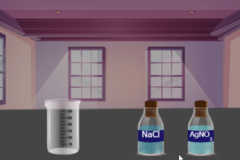
Unit one: chemical reactions. Lesson one: chemical reactions.Keywords (English): silver nitrate......
Science
Unit one: chemical reactions. Lesson one: chemical reactions.Keywords (English): silver nitrate – sodium chloride – white precipitate – precipitation reaction
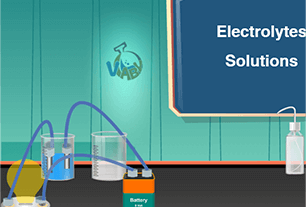
An experiment demonstrating the difference between electrolytic and non-electrolytic solutions by te......
Chemistry
An experiment demonstrating the difference between electrolytic and non-electrolytic solutions by testing their ability to conduct electric current using a simple electrical circuit and observing the brightness of a lamp.Keywords: Electrolytic Solutions - Non-Electrolytic Solutions - Electrical Cond......
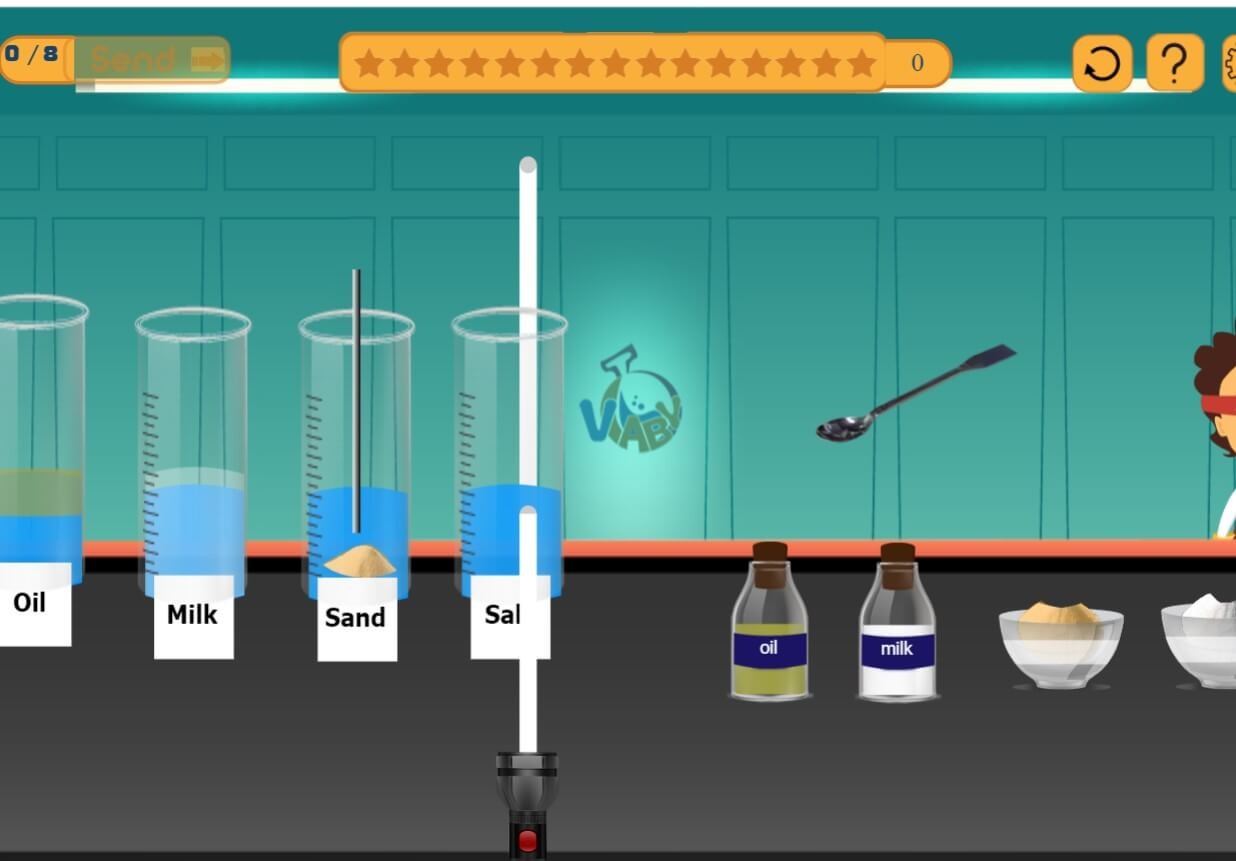
Keywords: Homogeneous mixtures – Heterogeneous mixtures – Solutions – Suspensions – Colloids
Science
Keywords: Homogeneous mixtures – Heterogeneous mixtures – Solutions – Suspensions – Colloids
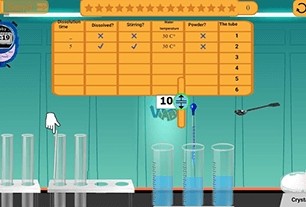
Investigation of factors affecting solubilitysolubility – temperature effect – stirring – surface a......
Chemistry
Investigation of factors affecting solubilitysolubility – temperature effect – stirring – surface area – type of solute – dissolving rate
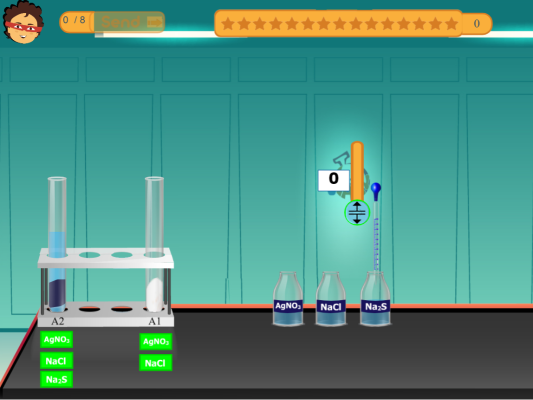
Keywords: Solubility product – Sparingly soluble salts – Equilibrium – Solutions – Comparison
Chemistry
Keywords: Solubility product – Sparingly soluble salts – Equilibrium – Solutions – Comparison
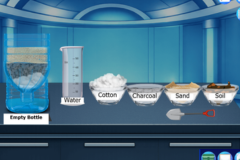
Water filter designKeywords (English): water filter model – purification – filtration – gravel – cha......
Science
Water filter designKeywords (English): water filter model – purification – filtration – gravel – charcoal
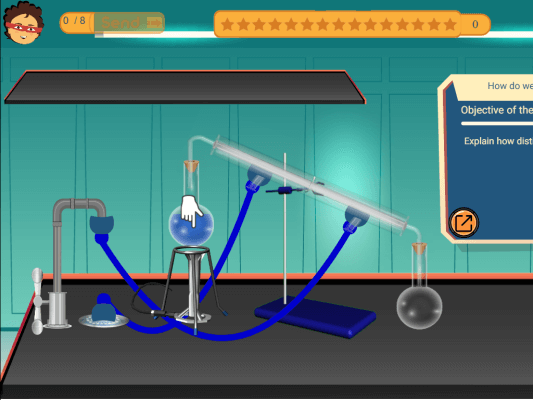
the goal:Explain how distilled water is obtained.Materials and tools:2 flasks - condenser - connecti......
Science
the goal:Explain how distilled water is obtained.Materials and tools:2 flasks - condenser - connecting tubes - salt water solution - flame - stoppersSteps:Place the condenser horizontally on the standPlace the flasks, one over a Bunsen flame and the other on a lab benchPour the salty water into the......
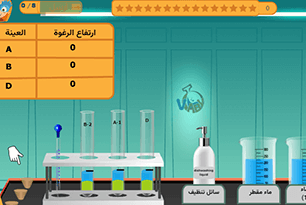
the goal:To explain how to make soap at home.Materials and tools:Water sample 1 - Water sample 2 - D......
Chemistry
the goal:To explain how to make soap at home.Materials and tools:Water sample 1 - Water sample 2 - Distilled water - Dropper - 3 test tubes with stoppers - Coloring pencil - Dishwashing liquid - Test tube rack.Steps:1- Take a quantity of distilled water and place it in test tube D, repeat the step w......
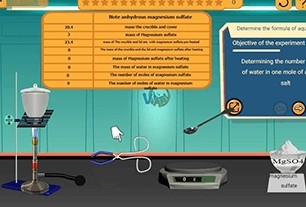
Keywords: Hydrated salts – Water molecules – Heating – Chemical formula
Chemistry
Keywords: Hydrated salts – Water molecules – Heating – Chemical formula
Keywords: Mixing substances – Separating a mixture of liquids (water and oil) – Separating a mixture......
Science
Keywords: Mixing substances – Separating a mixture of liquids (water and oil) – Separating a mixture of solid and liquid – Separating a mixture of solids
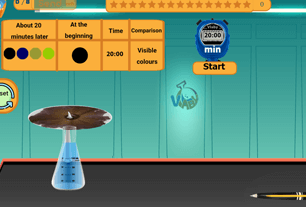
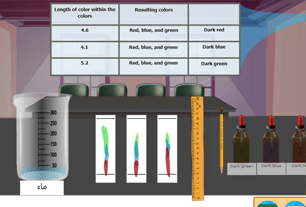
Keywords: Mixtures – Separation – Filtration – Liquid – Solid
Science
Keywords: Mixtures – Separation – Filtration – Liquid – Solid
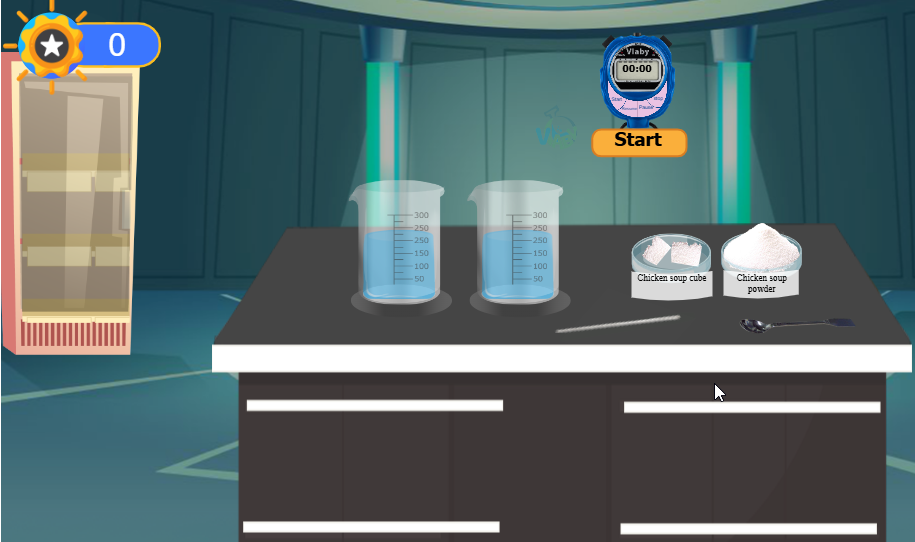
Objective: To identify the effect of particle size on the rate of dissolution in water.Materials: Tw......
Science
Objective: To identify the effect of particle size on the rate of dissolution in water.Materials: Two glass cups – chicken soup cube – powdered chicken soup – spoon – waterProcedure: Pour an equal volume of water into each glass. Place the soup cube in the first glass. Place the powdered soup in the......
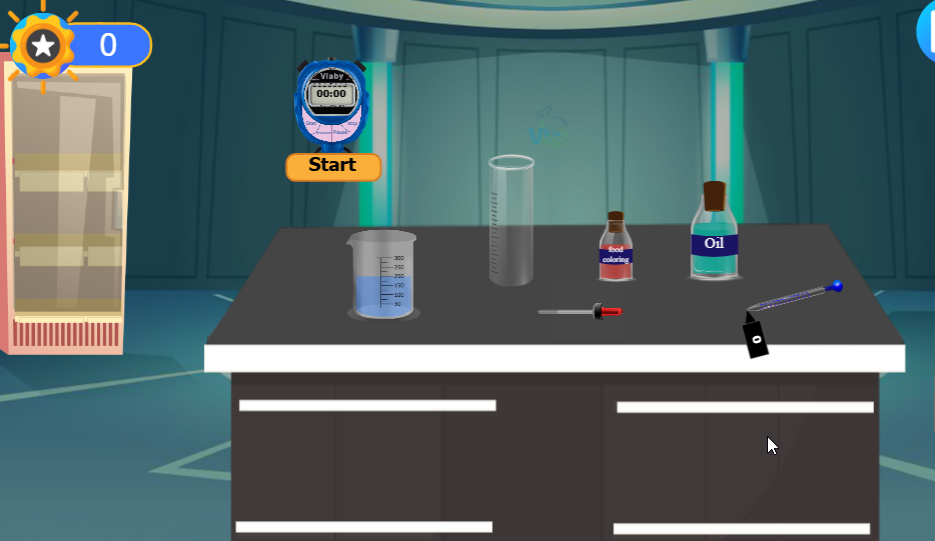
Objective: To investigate how water, oil, and food coloring interact and observe whether the substan......
Science
Objective: To investigate how water, oil, and food coloring interact and observe whether the substances mix or remain separate.Materials: Test tube – water – vegetable oil – food coloringProcedure: Pour some water into the test tube. Add some vegetable oil slowly into the test tube. Add two drops of......
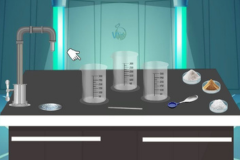
Objective: To identify materials that dissolve in water and materials that do not.Materials: Three t......
Chemical reactions
Objective: To identify materials that dissolve in water and materials that do not.Materials: Three transparent cups _ Water _ Salt _ Sugar _ Sand _ Stirring spoonSteps: Put some water in each cup. Add a small amount of salt, sugar, and sand to the three cups of water. Stir each cup using the spoon a......
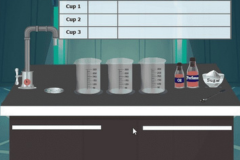
Objective: To understand the different properties of organic compounds (such as sugar, perfume, and......
Science
Objective: To understand the different properties of organic compounds (such as sugar, perfume, and oil) despite containing the same elements: carbon, hydrogen, and oxygen.Materials: Sugar _ Perfume _ Vegetable oil _ Glass cups _ Hot water _ SpoonSteps: Place a spoonful of each substance (sugar, per......
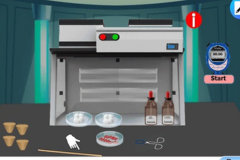
Objective To study the effect of ammonia concentration on the rate of gas diffusion and observe how......
Science
Objective To study the effect of ammonia concentration on the rate of gas diffusion and observe how distance affects the color change of red litmus paper.Tools Wide glass tube length ≥ 30 cm, closed at one end – red litmus paper squares – cotton piece soaked in concentrated ammonia solution – cotton......
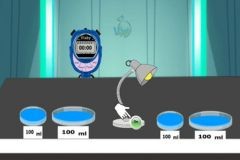
Objective To study the effect of temperature and surface area on the rate of water evaporation.Tools......
Science
Objective To study the effect of temperature and surface area on the rate of water evaporation.Tools Dishes (2 large and 2 small) – water – electric lamp or heat/light source or direct sunlight – stopwatchSteps Pour equal amounts of water into all four dishes. Place two dishes (one large and one sma......
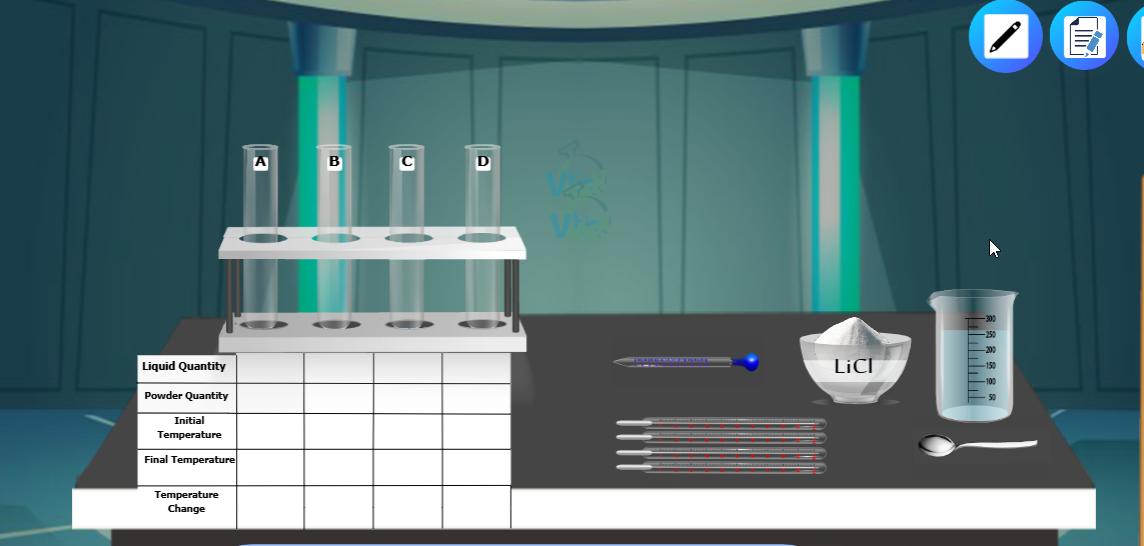
Objective: To study the effect of solute mass on the amount of temperature change accompanying the d......
Science
Objective: To study the effect of solute mass on the amount of temperature change accompanying the dissolution process.Materials: Solid lithium chloride (LiCl) – distilled water – glass beaker – thermometer – sensitive balance – stirring rod or spoon – stopwatch.Procedure: Prepare four identical tes......
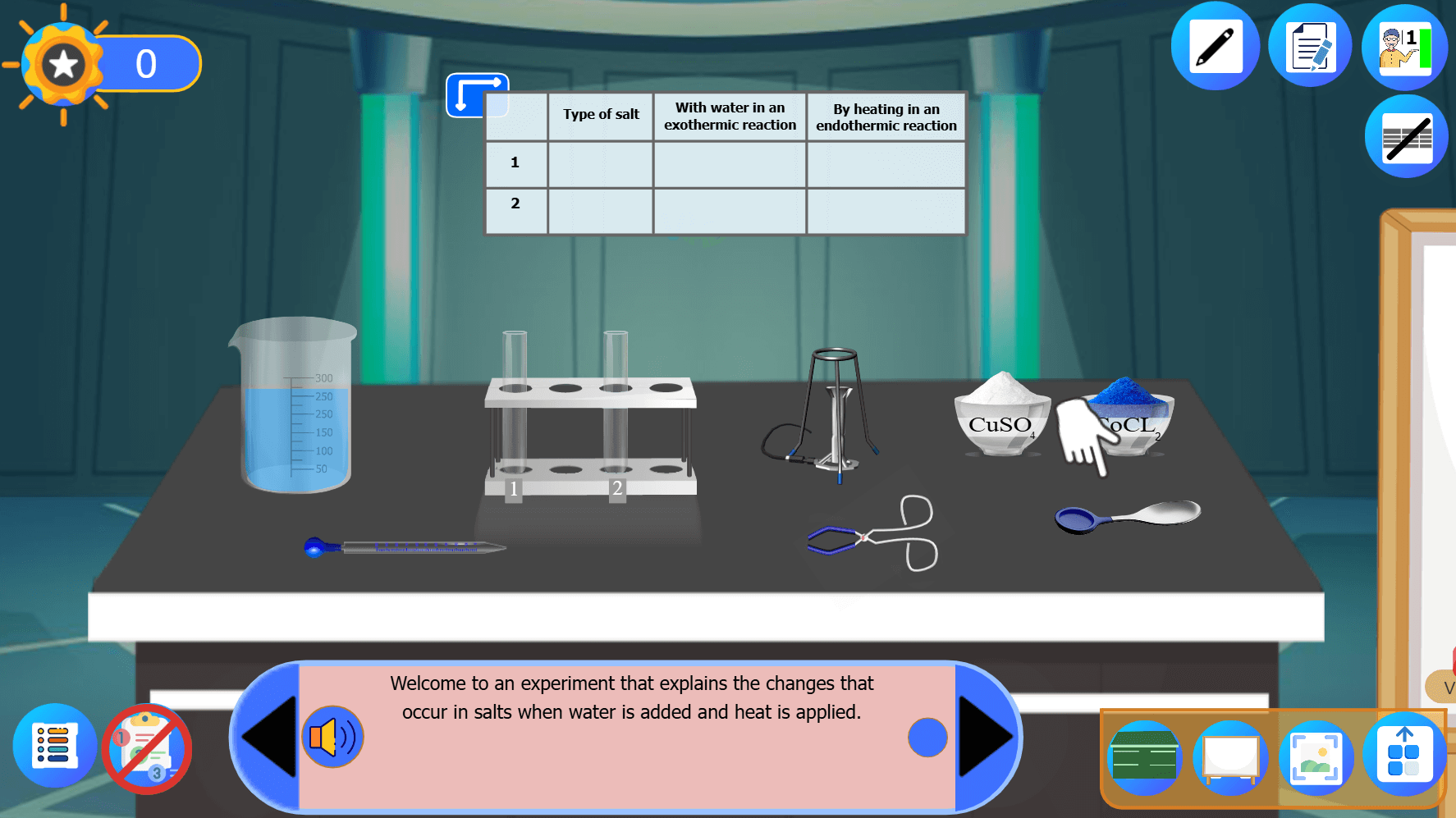
Objective: To identify the difference between hydrated and anhydrous salts and to explain the effect......
Science
Objective: To identify the difference between hydrated and anhydrous salts and to explain the effect of adding water and heating on some salts.Materials: Anhydrous copper sulfate (CuSO₄) – Anhydrous cobalt chloride (CoCl₂) – Distilled water – Dropper – Test tubes – Heat source (Bunsen burner or elec......
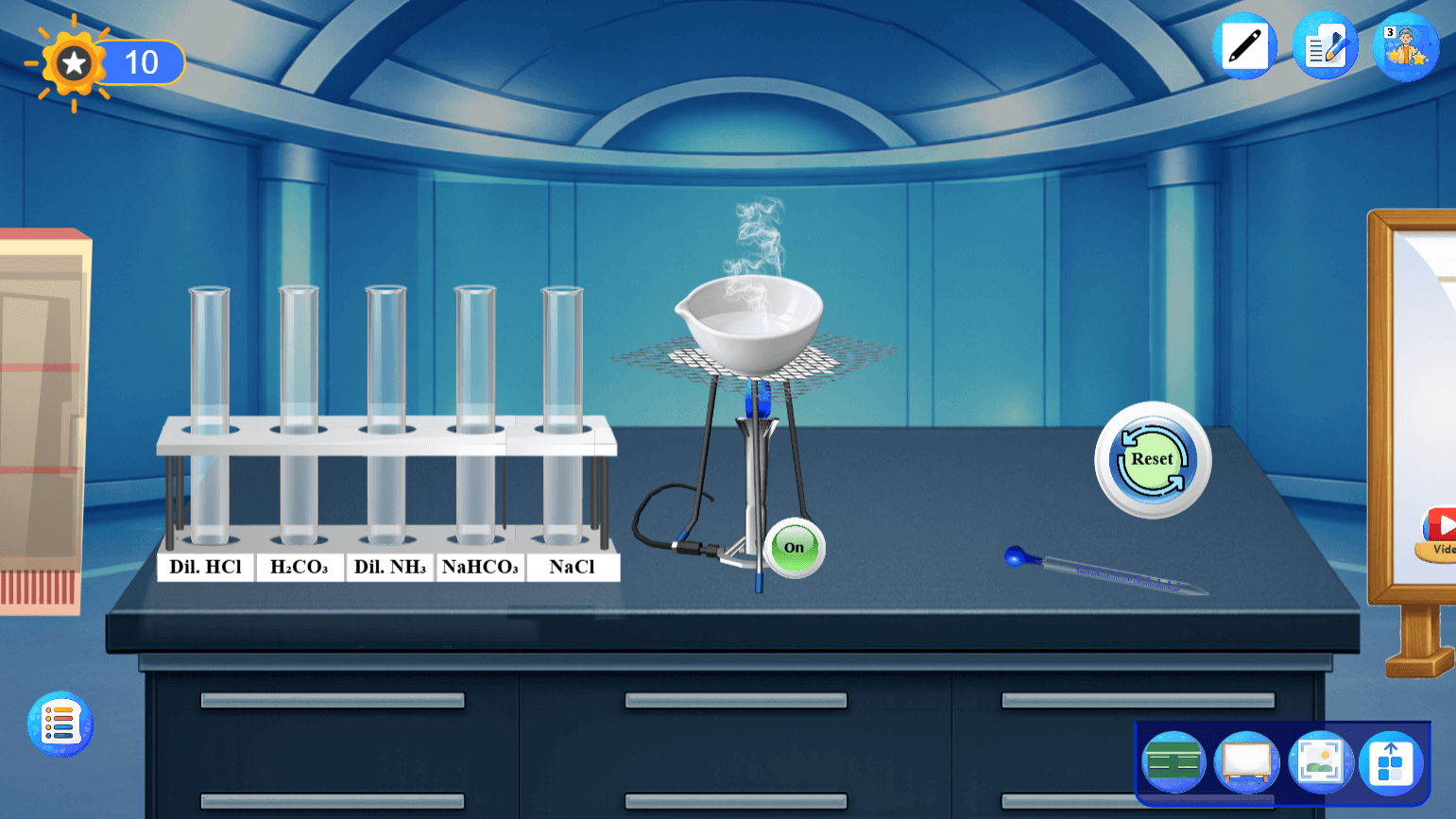
Objective:Identify the state of the dissolved substance in a solution by heating it and evaporating......
Science
Objective:Identify the state of the dissolved substance in a solution by heating it and evaporating the solvent, then observing the remaining substance.Materials:Test tubes – Solutions: salt water, sparkling water, dilute hydrochloric acid, baking soda solution, dilute ammonia solution – Evaporating......
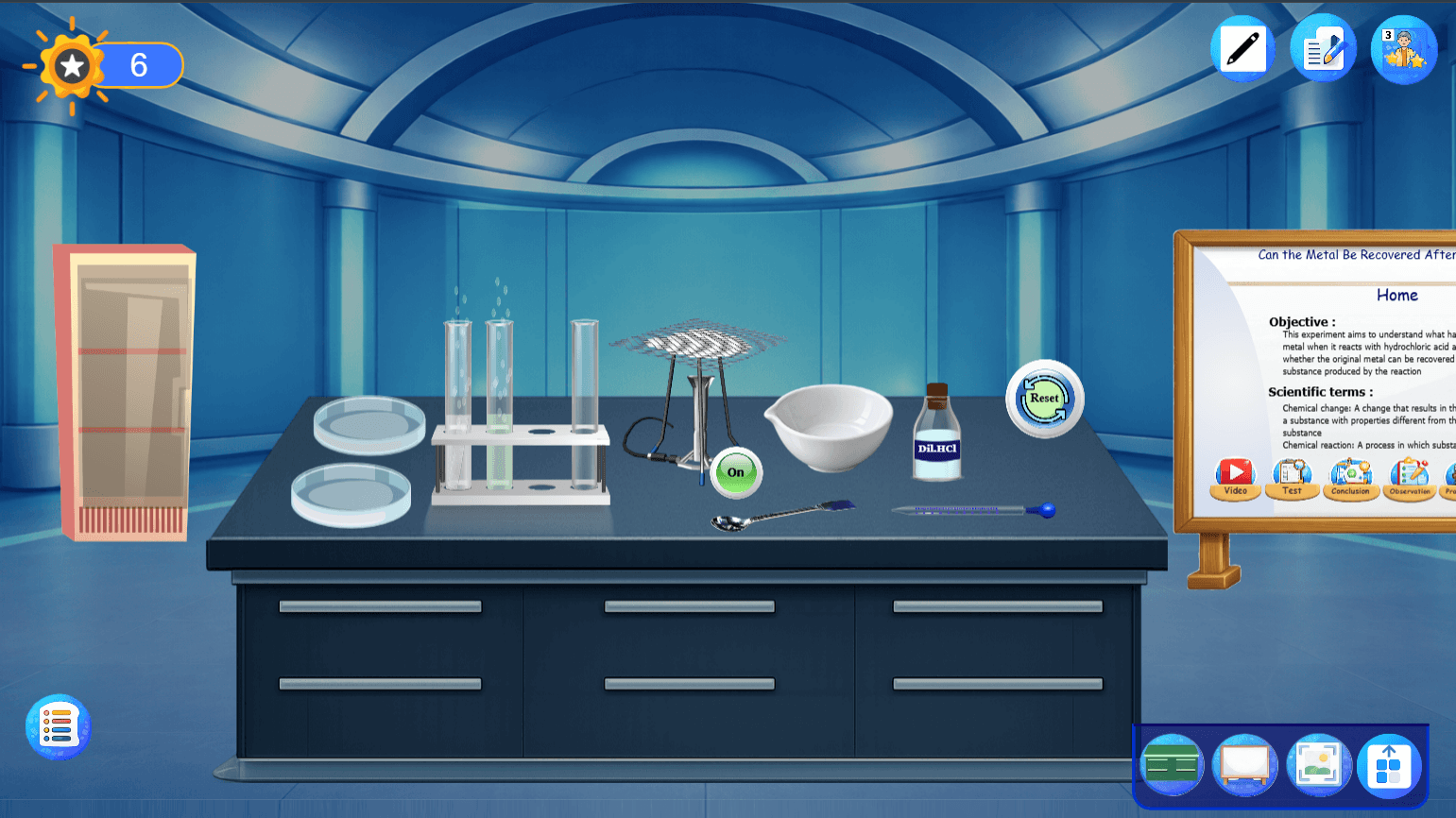
Objective:Identify what happens to a metal when it reacts with hydrochloric acid and determine wheth......
Science
Objective:Identify what happens to a metal when it reacts with hydrochloric acid and determine whether the original metal can be recovered from the new substance produced by the reactionMaterials:Two test tubes – A small piece of aluminum – A small piece of steel wool – Dilute hydrochloric acid – Dr......

© All Rights Reserved @ 2026 For VLaby - Powered By VLaby.